
World
Why Accidents Involving Self-Driving Cars Are So Complex

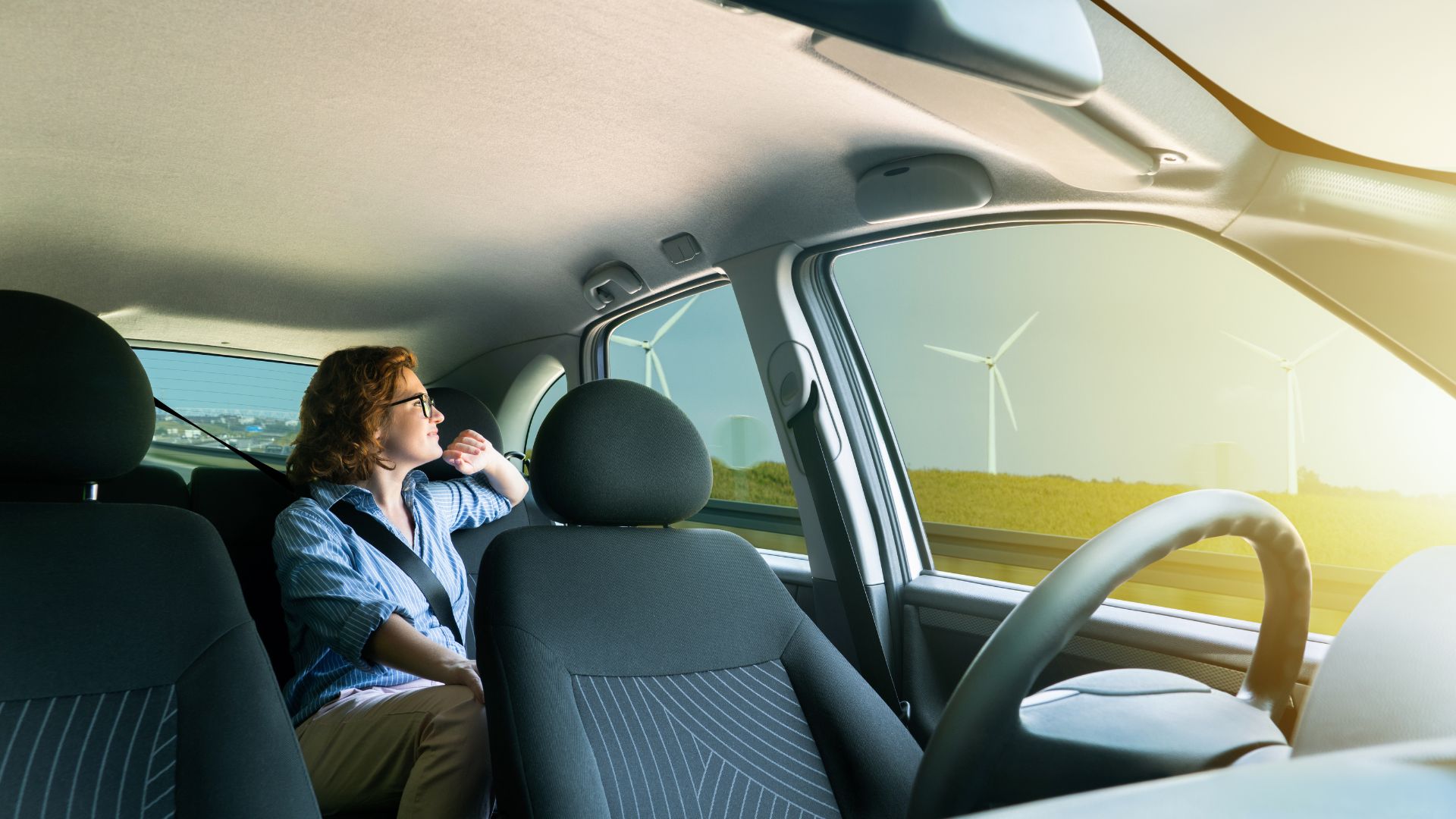
The last two decades have seen technological advancements and innovations improve tremendously. Technologies like video calling and driverless cars, which were only possible in Sci-Fi movies, are now a reality.
Unlike some other technology faults, driverless car errors can be a matter of life and death. While there is no doubt that driverless cars are the future of driving, a lot still needs to be done before the technology can be considered safe.
They May Not Be As Safe
In the past few years, there have been several stories about vehicles on autopilot causing an accident. Some of these situations would be easily avoidable for a human driver, bringing to question the safety of autonomous features. While accidents involving cars on autopilot usually result in less severe injuries than driver-operated vehicles, a recent study shows that their rate of getting into an accident is slightly higher.
On average, there are 4.1 crashes per 1 million miles traveled for driver-operated vehicles compared to 9.1 per 1 million miles traveled for vehicles with autonomous driving features.
Misleading Terminologies
Currently, there isn’t much regulation on autonomous driving allowances. Most autonomous car makers capitalize on the loopholes in the law to create misleading terminologies regarding vehicles’ capabilities, making determining liability a complex issue.
For example, Tesla refers to its advanced driver-assist feature as autopilot, which drivers can interpret as entirely autonomous. On its website, Tesla states that autopilot is an advanced driver assist feature meant to complement perceptive human drivers, not replace them. Unfortunately, many semi-autonomous car drivers get a sense of false security from the misleading terminology, resulting in devastating accidents.
Accidents that happen under such circumstances can result in Tesla having liability. Recently, a court in Germany found the “autopilot” tag on tesla vehicles misleading. This means that Tesla could be liable for damages resulting from reliance on the feature.
Technology Malfunction
Autonomous car makers could also be liable for an accident if a malfunction in their system causes an accident. Malfunctions can result from system failure or even cyber-attacks.
In 2015, a planned hacking test was conducted on a Jeep. Surprisingly, the hackers were able to access the jeep remotely and stop it while traveling at 70 mph. Accidents that result from system hacking could see car manufacturers having liability because system hacks are outside the driver’s control.
Driver Liability
In January of 2022, a 27-year-old Tesla driver was charged with vehicular manslaughter for hitting and killing two occupants of a Honda Civic at an intersection while on autopilot. This case marked the first time an American was facing criminal charges for autopilot-related accidents, which could set precedence for future accidents involving autopilot features.
“Autopilot cannot and should not replace attentive driving,” says car accident attorney Amy Gaiennie. “All drivers should keep their attention on the road and only use any self-driving assistive technology to complement their safe driving practices.”
According to the NHTSA, vehicle control lies with the driver irrespective of how sophisticated its technology is. This means that accidents that result from a driver not playing their part in operating the vehicle can see the motorist carrying liability for the accident.
As it stands, vehicles cannot be considered entirely autonomous, but technology is headed there fast. But until then, the driver must play a significant role in operating a vehicle failure to which they could be liable for damages.

The National Oceanic and Atmospheric Administration (NOAA) predicted a 60% chance that the 2025 Atlantic hurricane season would be above normal. The administration said to watch for between 13 and 19 total named storms — those with winds of 39 mph or higher.
For homeowners in hurricane-prone regions, this raises an urgent question: are your outdoor spaces ready to weather the storm?
PERGOLUX, a leader in durable outdoor structures, designs powder-coated aluminum pergolas with adjustable louvers to withstand the harshest environments.
“Today’s outdoor living spaces face the wrath of nature’s extremes,” says Tim Heneveld, Country Director of PERGOLUX North America. “Hurricanes, tropical storms, and flash floods bring powerful winds exceeding 100 mph. Their relentless rain and rising floodwaters can quickly devastate unprepared structures. If you want to protect your investments, resilient design is essential.”
Is your aluminum pergola and louvered roof ready to take on intense storms?
The open-air elegance of patio pergolas with slat roofs is perfect for a gentle breeze, but can make them vulnerable to the violent forces of hurricane winds. These storm winds pack powerful uplift and lateral forces.
Wind uplift occurs when gusts of wind flow beneath the roof, generating upward pressure that can lift the entire structure off its base. Lateral forces push a pergola horizontally, causing it to lean or even collapse.
The key defense against these powerful forces? A reinforced frame.
“Strong, well-engineered frames act as the backbone of your pergola,” notes Heneveld. “Aluminum is the ideal material for a pergola’s frame. It combines the strength needed to resist bending or breaking with a lighter weight that reduces strain on the foundation.”
PERGOLUX’s pergolas feature reinforced frames engineered to withstand intense storms with confidence. In fact, their latest model, the Skydance Series 3 Pergola, is specially crafted to endure winds up to 165 mph, which means that even when fierce hurricanes like Milton sweep through, these pergolas remain intact.
Reinforced aluminum frames designed with thickened beams and precision connections stand up to wind uplift and lateral pressure. Hurricane-rated bolts, brackets, and screws hold everything tightly together to prevent weak points that storms so often exploit. When each joint is reinforced and well-anchored, your pergola can remain a steadfast retreat despite the wildest weather. Thicker beams and columns combined with robust engineering techniques give these pergolas superior strength. Extra support brackets, hidden fasteners, and precise assembly methods ensure the frame endures.
Elevated bases can protect your luxury pergola from floods
Along with high winds, storms bring torrential rain. Rising water can undermine structural footings and rot wooden materials, which can destabilize the entire installation.
An elevated base is a strategic line of defense. “By constructing your pergola on raised concrete footings or piers, you create a gap between the ground and the structure,” notes Heneveld. “During a flood, it keeps the water at bay. The elevation also prevents erosion caused by pooling rainwater.”
The best-quality outdoor pergolas offer high-grade materials and cutting-edge engineering
The key element of any storm-ready outdoor structure is its materials. PERGOLUX chooses 6063-T5 aluminum, a marine-grade alloy renowned for its incredible strength and exceptional resistance to corrosion, even when exposed to salty sea air and humid conditions.
“A wooden or vinyl pergola may look great at first,” says Heneveld, “but they often require costly upkeep or replacement after just a few seasons of storm damage. Our reinforced aluminum pergolas will give you years of worry-free durability. It will remain strong and look fantastic, no matter the weather.”
PERGOLUX’s advanced engineering solutions also protect what is inside the structure. Their patented RainLUX™ integrated gutter system channels rainwater away, preventing leaks that can damage furniture and floors.
“We offer a 10-year warranty to back up all of our claims,” Heneveld says. “It’s our commitment that these structures will protect your home’s exterior environment for years to come. We want you to focus on enjoying the moments that matter in your pergola, not on the coming storms.”
Practical outdoor living tips to prepare your louvered pergola kit before storm season
Even the strongest pergola will fare better when prepped for a coming storm. “Make sure to secure your loose items,” Heneveld warns. “Before a storm, remove furniture, planters, and décor. All of these can become hazardous projectiles.”
When homeowners hear that a storm is on the way, they will want to fully secure any screens or panels. Removing detachable panels before severe weather will help protect the pergola by reducing wind resistance.
Homeowners will want to take the time to routinely inspect and maintain their pergolas. A quick check for loose fasteners or other small signs of wear goes a long way in preserving the pergola’s strength.
“Combine simple preparation with a reinforced, elevated, and expertly engineered structure, and you’ll have an outdoor space built to last,” Heneveld concludes. “Investing in a storm-ready pergola is about so much more than just avoiding damage. You’re preserving a lifestyle. A long-lasting pergola will bring you years of shaded summer barbecues and fresh-air morning coffees.”
-

 Tech5 years ago
Effuel Reviews (2021) – Effuel ECO OBD2 Saves Fuel, and Reduce Gas Cost? Effuel Customer Reviews
-
 Tech7 years ago
Bosch Power Tools India Launches ‘Cordless Matlab Bosch’ Campaign to Demonstrate the Power of Cordless
-

 Lifestyle7 years ago
Catholic Cases App brings Church’s Moral Teachings to Androids and iPhones
-

 Lifestyle5 years ago
East Side Hype x Billionaire Boys Club. Hottest New Streetwear Releases in Utah.
-

 Tech7 years ago
Cloud Buyers & Investors to Profit in the Future
-

 Lifestyle6 years ago
The Midas of Cosmetic Dermatology: Dr. Simon Ourian
-

 Health7 years ago
CBDistillery Review: Is it a scam?
-

 Entertainment7 years ago
Avengers Endgame now Available on 123Movies for Download & Streaming for Free