
Lifestyle
Kate Starr: Unlocking Holistic Healing through Nervous System Mastery


According to the National Health Interview Survey, an annual nationally representative study, the percentage of U.S. adults who practiced meditation more than doubled between 2002 and 2022, rising from 7.5 to 17.3 percent. This surge reflects a growing recognition of the importance of mental and emotional well-being in achieving a balanced, healthy life.
Central to this balance is the nervous system, which plays a pivotal role in managing stress, emotions, and physical sensations. Techniques like mindfulness, breathwork, and somatic therapies have emerged as powerful tools to recalibrate the nervous system, shifting it from a fight-or-flight state to one of rest and digestion. By mastering this transition, individuals can build emotional resilience, reduce chronic stress, and activate the body’s innate ability to heal. Integrating nervous system awareness with traditional and alternative therapies offers a holistic approach to health that nurtures the mind, body, and spirit while unlocking the potential for profound self-healing and harmony.
One leader in this transformative field is Kate Starr, MPH, NSRP, a Nervous System Coach pioneering innovative methods for addressing deep-seated physical and emotional challenges. Through her SomaNeuro Alignment method, she blends cutting-edge nervous system science with practical, accessible tools, empowering individuals to resolve the root causes of their discomfort and sustain their healing independently. This approach is redefining what is possible in healing, offering long-lasting outcomes that support both the body and the mind.
At the core of SomaNeuro Alignment is a sophisticated integration of somatic and subconscious practices, creating a comprehensive pathway to healing that moves beyond traditional approaches. Many current modalities focus on isolated nervous system elements—such as somatic practices for relaxation or subconscious techniques like hypnosis and visualization. However, Kate Starr identified a gap in these methods: they often neglect the interplay between the body’s physical and emotional states. She recognized that lasting healing requires more than surface-level relaxation or quick fixes. It demands a holistic approach that considers the body, mind, and subconscious as interconnected systems. By addressing these dimensions collectively, SomaNeuro Alignment provides a revolutionary framework for sustainable transformation.
A Holistic Pathway to Sustainable Healing and Integrated Regulation

SomaNeuro Alignment begins by addressing the physical body through somatic techniques. These practices focus on fascial maneuvering and relaxation, creating an immediate sense of safety and ease. Somatic movements help individuals enter a state of subconscious readiness, a critical step in the process. Starr emphasizes that achieving a deep alpha or theta brainwave state—a key to subconscious work—is greatly enhanced by movement. This state allows the body and mind to relax fully, preparing individuals to engage with deeper healing practices. Once this foundation is laid, the method transitions into subconscious work, including inner child visualizations, parts work, and hypnoses. This seamless blend of physical and emotional healing techniques strengthens neural pathways, fostering a profound sense of safety, positivity, and self-love.
What sets SomaNeuro Alignment apart is its adaptability and client-centered approach. Unlike many programs that focus narrowly on one or two healing modalities, this method incorporates a wide array of tools, empowering clients to discover what resonates best with them. Starr’s program is not just about temporary relief but about equipping individuals with the knowledge and skills to sustain their healing over time. By learning to combine somatic sequences with subconscious techniques, clients gain the ability to tailor their practices to meet their unique needs long after completing the program.
Daily life integration is another cornerstone of SomaNeuro Alignment. Starr encourages clients to create personalized sessions that support their nervous system regulation without requiring constant maintenance. The goal is not to become reliant on a daily routine but to shift toward a state of “integrated regulation,” where healing becomes an organic, unconscious part of one’s life. Through practices like somatic curiosity—where individuals observe bodily sensations without judgment or action—clients gradually build up to more advanced techniques. This titration process ensures that participants develop at their own pace, creating a foundation for sustainable healing. Over time, many clients find they need only occasional sessions to maintain their progress, with some even moving beyond the need for structured practices altogether.
Transforming Lives Through Nervous System Mastery
The benefits of SomaNeuro Alignment are both immediate and far-reaching. Participants often experience a deep sense of safety and presence in their bodies, reduced overwhelm, and a greater connection with themselves and their surroundings. Long-term outcomes include improved sleep, balanced cortisol (stress hormones), reduced anxiety, and enhanced gut health. For many, these changes are transformative, marking a shift from survival mode to a life filled with curiosity, excitement, and self-trust. Clients frequently report newfound confidence, the ability to rest without guilt, and freedom from chronic symptoms such as panic attacks or health anxiety.
The real power of SomaNeuro Alignment lies in its ability to create lasting change. Starr’s clients have experienced profound transformations, moving beyond debilitating conditions to reclaim their lives. One client, who previously relied on alcohol and medication to manage her anxiety, found she could sleep peacefully and live free of these crutches. Another client, recovering from a partial hysterectomy, reported balanced moods and energy levels despite the hormonal upheaval. Starr has guided individuals from the brink of despair—whether battling autoimmune disorders or severe dissociation—toward vibrant, fulfilling lives. For example, a client with a history of panic attacks found freedom after six months without a single episode. Others have healed from traumatic past experiences, such as sexual assault, finding peace and safety within their bodies for the first time.
The SomaNeuro Alignment method is more than a healing technique; it’s a philosophy that empowers individuals to take control of their well-being. By combining the physical with the subconscious, Starr has created a system that not only alleviates symptoms but transforms lives. It’s a testament to the incredible potential of nervous system mastery, offering hope and healing to those ready to embark on this life-changing journey. Through her groundbreaking work, Kate Starr continues to unlock the profound connection between body and mind, paving the way for a new era of holistic health.
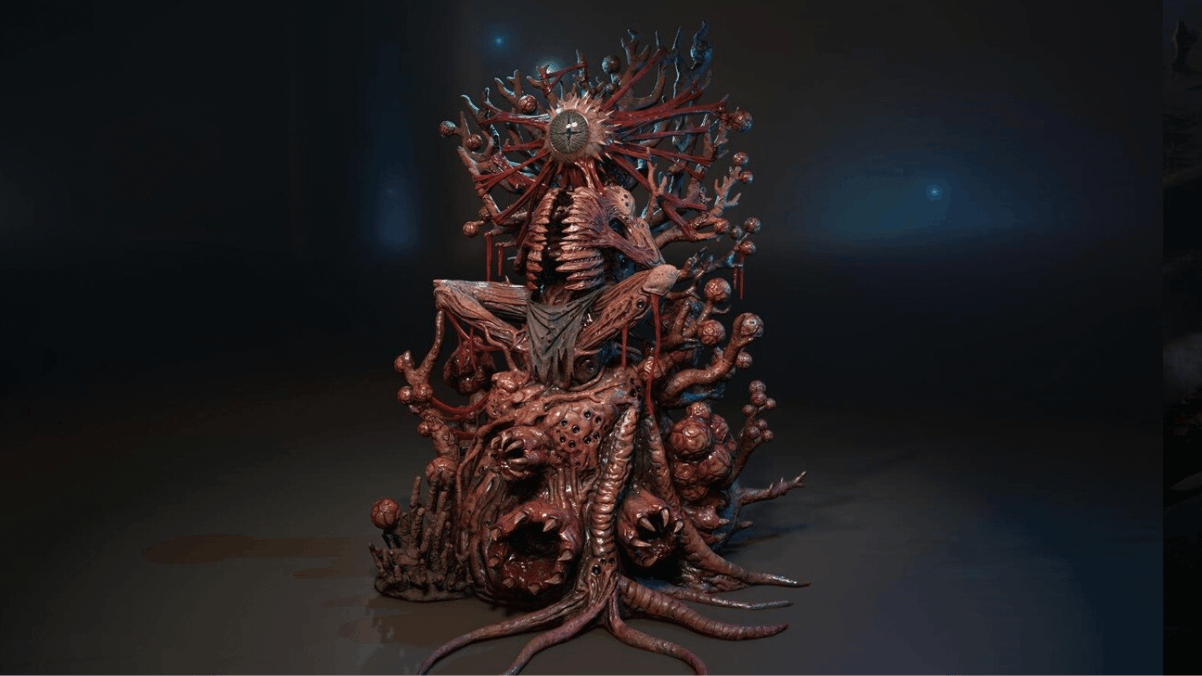
Empty hallways echo with footsteps that aren’t yours. The carnival rides spin without passengers. Familiar spaces, the ones etched into childhood memory, twist into something menacing, something that watches. Lonely Rabbit’s Midnight Strikes arrives eight months before its completion, targeting a youth horror genre that is hungry for experiences that feel personal rather than purely fantastical. The indie studio searches for a publisher while building momentum for a game that weaponizes nostalgia, turning high schools and carnivals into theaters of psychological dread. As franchises age and audiences demand fresh scares, this PC title tests whether memory-based terror represents the next chapter in youth horror.
Maturing Past Jump Scares
Youth horror gaming shed its training wheels. Little Nightmares and Bendy and the Ink Machine proved that younger players crave atmospheric storytelling over cheap shocks, puzzle-solving over gore, and visual distinctiveness over recycled formulas. Bendy’s ink-soaked corridors attracted a massive audience, including children drawn to the characters despite the T-rating, because the experience felt emotionally authentic rather than condescending. Players now expect psychological tension woven through environmental details, stories told through decaying spaces, and cryptic objects scattered across levels.
The genre’s maturation reflects audiences who grew up solving Portal’s test chambers and exploring Limbo’s monochrome nightmares. Among the Sleep demonstrated the potency of perspective: experiencing horror through a toddler’s eyes made familiar domestic spaces feel uncanny and threatening. Fran Bow plunged players into hand-drawn asylum corridors where perception itself became unreliable, where puzzles demanded engagement with trauma and grief rather than simple pattern recognition. Modern youth horror respects its audience enough to disturb them thoughtfully, creating experiences that linger days after the screen goes dark.
Corrupted Childhood as New Territory
Midnight Strikes drags players through levels “reminiscent of their childhood memories”: the high school, the carnival, spaces universal enough to feel personal. Lonely Rabbit constructs what they describe as a “menacingly beautiful atmosphere filled with bizarre and terrifying creatures,” pairing monster survival with puzzle challenges that prioritize mood over mechanics. The game adopts a “cinematic and otherworldly feel” while grounding its terror in locations players actually inhabited, making fear feel intimate rather than abstract.
This memory-based direction distinguishes Midnight Strikes from fantasy settings that dominate youth horror. Deserted carnival rides and empty school corridors carry weight because players recognize them as such. Maybe the locker rows feel too narrow, maybe the Ferris wheel groans with a voice that shouldn’t exist, maybe the cafeteria smells wrong. The game challenges players to “survive their fear of the unknown” while navigating spaces that should feel known, creating cognitive dissonance that amplifies dread. Other developers exploring similar territory, such as Subliminal, which utilizes “nostalgic spaces” and “a rotting feeling that something is not quite right,” suggest that childhood corruption represents an emerging subgenre.
Lonely Rabbit’s approach weaponizes personal history. Every player attended school, visited carnivals, and formed memories in spaces designed for safety and joy. Corrupting those spaces turns nostalgia into a threat, asking audiences to confront distorted versions of their own experiences. The monsters inhabiting these environments become more than obstacles; they represent the fear that familiar places might betray us, that memory itself becomes unreliable when shadows move in the wrong direction.
Smaller Teams, Bigger Risks
Indie studios like Lonely Rabbit maneuver where larger publishers hesitate. Their two-month publisher search and pre-launch community building reflect changing pathways for games that defy established franchise formulas. Building a follower base before release creates market validation, proving that audiences want what you’re making before significant capital is committed. Transparency about development timelines and production milestones generates audience investment, turning potential players into advocates during the publisher search.
Midnight Strikes represents creative gambles major studios avoid when quarterly earnings loom. Smaller teams experiment with concepts, corrupted childhood spaces, memory-based horror, pand sychological tension prioritized over action mechanics, that might fracture focus groups but resonate with underserved audiences. Lonely Rabbit’s global distribution ambitions demonstrate indie confidence: build something distinctive enough, and geography becomes irrelevant when digital storefronts erase borders.
The next eight months determine whether Midnight Strikes defines a subgenre or remains an interesting experiment. If players respond to horror that mines personal history, if corrupted nostalgia proves more terrifying than fantasy monsters, other developers will follow this path. Lonely Rabbit’s gamble, that childhood spaces make better horror stages than alien planets or demon dimensions, could redefine what scares young players next. The studio’s publisher search tests whether the industry views memory-based terror as the future of youth horror or a niche curiosity. Either outcome writes the next page in a genre still learning what it can become.
-

 Tech5 years ago
Effuel Reviews (2021) – Effuel ECO OBD2 Saves Fuel, and Reduce Gas Cost? Effuel Customer Reviews
-
 Tech7 years ago
Bosch Power Tools India Launches ‘Cordless Matlab Bosch’ Campaign to Demonstrate the Power of Cordless
-

 Lifestyle7 years ago
Catholic Cases App brings Church’s Moral Teachings to Androids and iPhones
-

 Lifestyle5 years ago
East Side Hype x Billionaire Boys Club. Hottest New Streetwear Releases in Utah.
-

 Tech7 years ago
Cloud Buyers & Investors to Profit in the Future
-

 Lifestyle6 years ago
The Midas of Cosmetic Dermatology: Dr. Simon Ourian
-

 Health7 years ago
CBDistillery Review: Is it a scam?
-

 Entertainment7 years ago
Avengers Endgame now Available on 123Movies for Download & Streaming for Free