
Business
Wave Rideshare’s AI Focus and Stellar Customer Service Poised to Make Major Impact in the U.S. and Globally

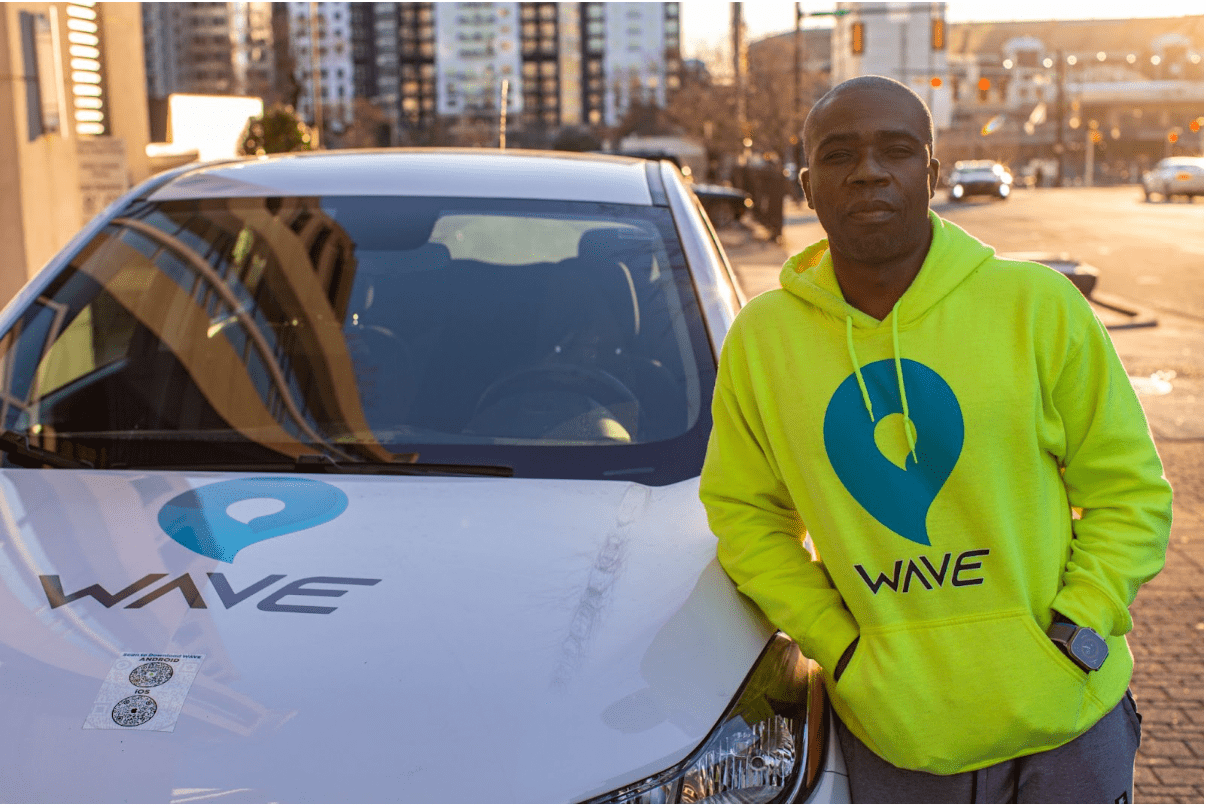
A new player is making waves in the rideshare industry. Wave, helmed by tech mogul Diondre Lewis, offers more than simple transportation.
Wave uses machine learning technology, stringent safety checks and initiatives to protect potentially vulnerable passengers. The company states that its mission is to prioritize passenger safety above all else.
The Shadow of Uncertainty
In our app-driven world, stepping into a stranger’s car with only a smartphone as a connection to safety has become commonplace. Yet beneath the convenience lurks a persistent unease. While many rideshare giants boast that 99.9% of trips end without incident, it’s the 0.1% that keeps passengers on edge.
Recent sobering statistics—10 fatal physical assaults and over 1,000 non-fatal assaults between 2017 and 2019—serve as a stark reminder of the risks. These numbers aren’t just data points; they represent real people, real trauma, and a real need for change.
Into this age of uncertainty surges Wave, a company weaving safety into its service’s very fabric. No longer does the average rider need to keep a wary eye on their driver. Wave has them covered.
When a user requests a Wave ride, an AI more sophisticated than a typical smartphone’s voice assistant springs into action. Beyond matching riders with drivers, this AI analyzes patterns, predicts potential issues, and orchestrates journeys as smoothly as possible.
Wave’s AI is like a vigilant co-pilot, always alert, always analyzing. Its Dynamic Micro-Zone Demand Prediction doesn’t just sound impressive—it actively works to make sure that riders never find themselves stranded without a ride in a sketchy part of town. The Real-Time Optimal Route Adjustment was coined to beat traffic and steer passengers clear of potential danger zones. More important than all of this, the company is constantly innovating an re-evaluating the most ethical and advanced ways to leverage A.I. to the benefit of its customers, drivers, partners, and investors.
The Human Touch in a Digital World
Wave conducts a gauntlet of checks to ascertain the safety of both passengers and drivers. Meticulous background screenings, professional vehicle inspections, and rigorous training create a fleet of drivers well-suited to Wave’s tagline of passenger safety.
“Safety isn’t just a feature—it’s a major part of our identity,” Lewis emphasizes. Previously, Wave debuted initiatives that ranged from transporting corporate executives to safely delivering children and non-emergency medical patients.
Wave’s vision extends far beyond the confines of a car. As it expands its reach—securing approval to operate at Atlanta’s bustling airport and launching its WaveBites food delivery service—it hopes to use its services to nurture entire communities.
The Future: A Global Wave
Diondre Lewis’s vision of becoming “the go-to partner for businesses and individuals for anything transportation” does not come from ambition but rather from the desire to create safer communities where everyone feels safe in their choice of transport. Wave’s expansion across the U.S. is accelerating with a strong presence being established in some of the largest airports in the world, including Hartsfield Jackson-Atlanta Airport.
When every rideshare trip can feel like a roll of the dice, Wave hopes to achieve the opposite impression. Reimagining what urban mobility can be, Wave understands that the role of a rideshare app holds more than simply taking an individual from point A to point B. A rideshare app must be safe, reliable, efficient—and above all, human.
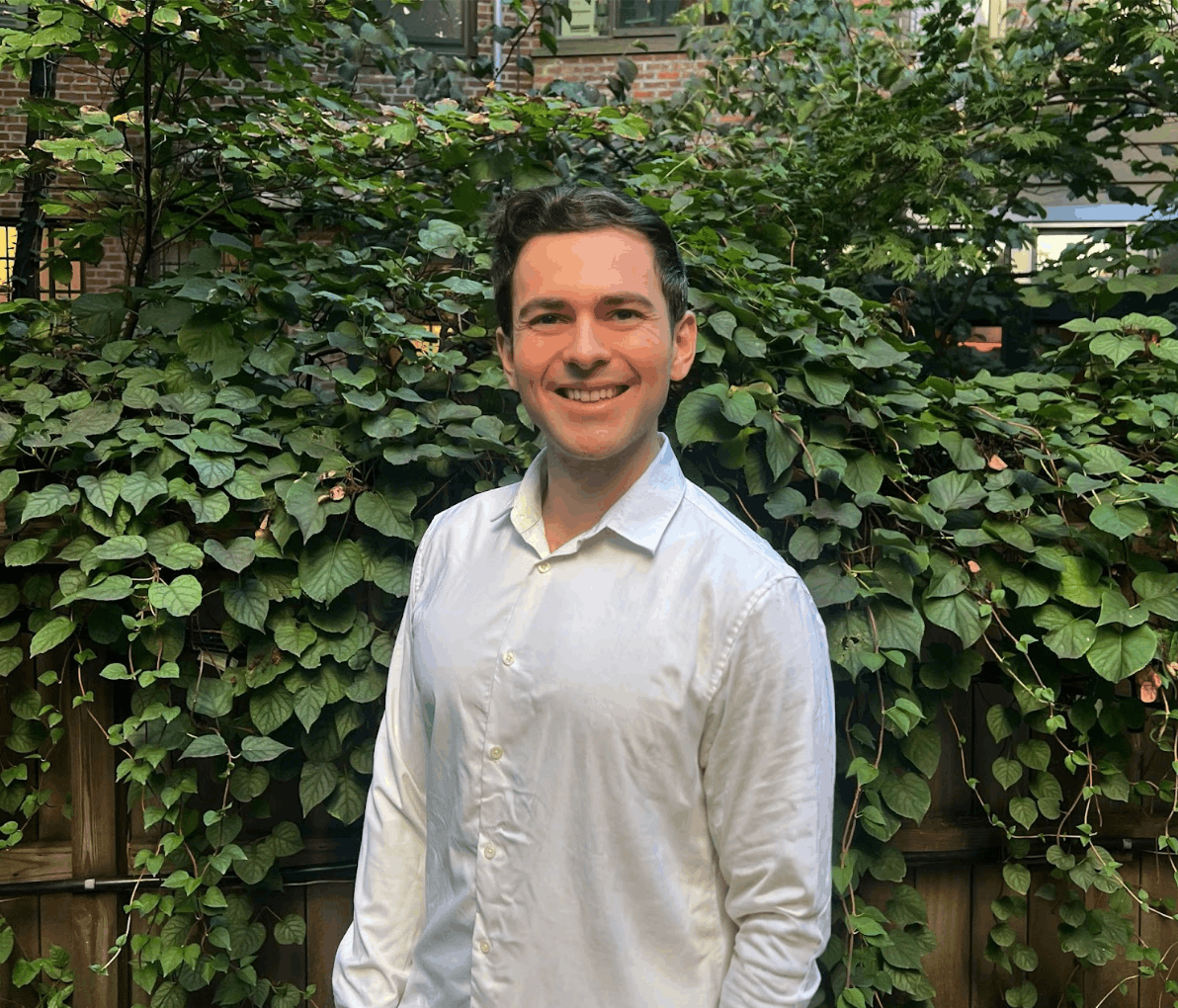
Byline: Andi Stark
For many people facing a legal problem, the most difficult part is not understanding their rights but finding a lawyer willing to speak with them in the first place. Long wait times, unclear pricing, and administrative hurdles often delay even the most basic consultations. YesLawyer, an AI-enabled plaintiff firm operating across all 50 states, is testing whether technology can shorten that gap.
Founded in 2024 by 25-year-old entrepreneur Rob Epstein, the platform offers free intake, automated screening, and, in many cases, same-day conversations with licensed attorneys. The idea is simple: reduce the friction between a client’s first request for help and an actual legal discussion. In this interview, Epstein explains how the system works, where artificial intelligence fits into the process, and what problems the company is trying to address in the broader legal system
Q: When you say you want lawyers to be “as accessible as Wi-Fi,” what does that mean in practical terms?
A: It’s a way of describing speed and availability. Someone dealing with a workplace dispute, a serious injury, or an immigration issue should be able to move from an online form or phone call to a real conversation with counsel in hours, not weeks. YesLawyer is structured so that a client begins with a free case evaluation, goes through automated conflict checks and basic screening, and, in many instances, speaks with a lawyer the same day.
Q: How does the process work once someone contacts the platform?
A: We use a structured workflow. It starts with a short questionnaire and an initial conversation to capture basic facts. That information feeds into conflict checks and internal review. The system then proposes a match with a licensed attorney and provides a calendar link for a virtual consultation, often within 24 hours. After the meeting, the client receives a written legal plan outlining next steps, deadlines, and estimated fees.
Q: Where does artificial intelligence fit into that process, and where does it stop?
A: AI is used for organizing and routing information, not for giving legal advice. It helps with conflict checks at scale, case categorization, and structured summaries so attorneys can focus on the substance of the matter. Every consultation is conducted by a licensed lawyer, and all decisions about strategy or next steps are made by humans.
Q: What problem is this model trying to solve in the current legal system?
A: Delay and cost are still major barriers. Many civil plaintiffs face long waits just to get a first appointment, along with high retainers and hourly billing that make early legal advice risky. We try to respond with faster consultations, flat-fee options, and financing. The idea is to remove administrative friction so lawyers spend less time on logistics and more time speaking with clients.
Q: Some critics say platforms like this blur the line between a technology company and a law firm. How do you describe YesLawyer?
A: We describe ourselves as a national, AI-enabled plaintiff firm that connects clients with independent attorneys. That structure does raise regulatory questions, especially around responsibility and oversight. We focus on licensing verification, attorney-written case plans, and clear communication about fees and services.
Q: You’ve said the main bottleneck is “systems” rather than people. What do you mean by that?
A: The issue isn’t that lawyers don’t want to help more people. It’s that the systems around them make it hard to scale their time. Intake, scheduling, and document handling take hours. Automating those parts means attorneys can handle more matters without being overwhelmed by repetitive tasks.
Q: Does this model risk favoring only the most profitable cases?
A: That’s a real concern in legal technology. Automation often works best for repeatable, high-volume disputes. Our view is that lowering administrative cost can actually make it easier to take on smaller or more complex cases that might otherwise be turned away. Whether that holds over time depends on the data.
Measuring Impact Over Time
YesLawyer’s attempt to compress the timeline between inquiry and consultation reflects broader changes in how legal services are being delivered. As artificial intelligence becomes more common in administrative work, firms are experimenting with new ways to reduce wait times and clarify costs.
The company’s early growth suggests that many clients value faster access to an initial conversation, even before considering long-term representation. Whether this platform-based model becomes widely adopted or remains one of several emerging approaches will depend on regulatory developments, lawyer participation, and measurable outcomes for clients. For now, YesLawyer’s experiment highlights a central question in modern legal practice: how quickly can help realistically be made available to the people who need it.
-

 Tech5 years ago
Effuel Reviews (2021) – Effuel ECO OBD2 Saves Fuel, and Reduce Gas Cost? Effuel Customer Reviews
-
 Tech7 years ago
Bosch Power Tools India Launches ‘Cordless Matlab Bosch’ Campaign to Demonstrate the Power of Cordless
-

 Lifestyle7 years ago
Catholic Cases App brings Church’s Moral Teachings to Androids and iPhones
-

 Lifestyle5 years ago
East Side Hype x Billionaire Boys Club. Hottest New Streetwear Releases in Utah.
-

 Tech7 years ago
Cloud Buyers & Investors to Profit in the Future
-

 Lifestyle6 years ago
The Midas of Cosmetic Dermatology: Dr. Simon Ourian
-

 Health7 years ago
CBDistillery Review: Is it a scam?
-

 Entertainment7 years ago
Avengers Endgame now Available on 123Movies for Download & Streaming for Free