
Business
From Barrel Rolls to Flipping Houses: Bill Allen Shares His 7-Figure Secrets


When was the last time you felt in control of defining your journey? One of the biggest lessons we’ve learned this past year is that nothing is guaranteed. Still, even in unpredictable times, preparation is the key to overcoming challenges and becoming the hero of your journey.
For Bill Allen, CEO of 7-Figure Flipping, his journey began when he received his ROTC scholarship for the Navy. He traded in his soccer uniform for a military one. There are two vital consistent elements to life in the military that have been transformative for him: The unpredictability of where he’d be headed to next and being surrounded by a community no matter where he went.
If there’s one thing Bill Allen knows, it’s consistently turning uncertainty into opportunity. An entrepreneur at heart, he used the frequent moves during his military service to carve out a new path in real estate.
At first, Bill bought and rented a few houses, mainly in Pensacola, Florida. It took him ten properties to decide that he needed to change his investment strategy. In 2014, Allen sold one of his properties to make a serious profit. That is when he decided to add flipping houses to his real estate investing portfolio. It was around that time that he came upon a community of experienced investors that offered mentorship, business advice, and networking opportunities.
“It’s important to surround yourself with the right people who know and do more than you do. I don’t want to be the person in the room who knows the most,” says Bill.
For Bill, it’s essential to be around those who will not only motivate you but push you to challenge yourself to reach the next level, and he’s no stranger to pushing beyond the limits. When it comes to success in every aspect of his life, determination and preparation have been constant.
However, preparation can only take you so far if you are not ready to act.
He did not wait until he was “fully prepared” to leap into his real estate career. Bill remained in the Navy full-time while he jumped into a new venture because acting was the best way to stay ready while building flexibility into his regimented life. That flexibility has helped him navigate life’s uncertainties, from military moves to his son James’s heart surgeries, to an unprecedented pandemic sweeping the globe.
No amount of preparation can prepare a parent to deal with their child having to have multiple heart surgeries within the first few years of his life. For Bill Allen, although community has always been important in life and business, his son’s surgeries were pivotal in making one thing clear:
Surrounding yourself with the right community can make all the difference in the world when overcoming the highs and lows during your journey.
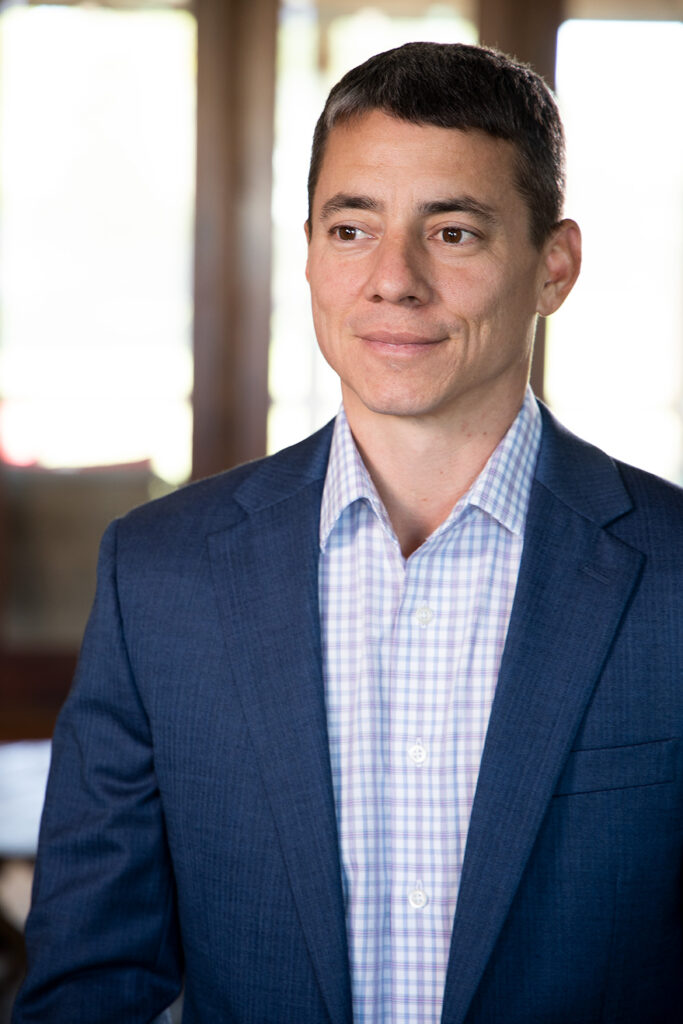
Community as strength
Those who come to Bill for advice on real estate investing know that they can expect to receive practical strategies rooted in real experiences by someone who’s whole-heartedly invested in his community. Bill doesn’t shy away from sharing with his community the struggles and vulnerabilities he faced in his personal life. For him, what started as another business venture grew into a supportive community where he continues to pay it forward by sharing his system to others learning how to be the hero of their journey.
That’s why Bill is excited to bring this year’s Flip Hacking Live, the flagship 3-day event for house flippers and wholesalers, right into his community’s homes. It was the 7-Figure Flipping mastermind group that changed his mindset and approach to life and business, leading him to create a successful real estate company. Blackjack Real Estate ranked #206 on the INC 500 awards of America’s fastest-growing private companies and #6 in real estate, with a whopping three-year revenue growth of 2,081%. Bill has always been devoted to sharing his knowledge with others. He decided to turn the uncertainty of this year into an opportunity to create a brand-new experience.
This is more than just another virtual event. It’s a community coming together in a safe environment where they will be with others who have similar vulnerabilities and fears, working on building a successful business in uncertain times. There is no fluff in the 7-Figure Flipping mastermind group. It’s real people sharing real advice in a supportive environment, helping you overcome your struggles.
Why learn about house flipping now? Because when genuine opportunities come, you can join the wave of people learning them, or you can already be in a position to succeed. Flip Hacking Live will help ensure that you’re part of the latter group.
So, are you ready to give yourself permission to succeed at the next level, learning Bill’s house flipping secrets from the comfort of your own home? You can register today and use the promo code FLIP5 to get exclusive bonus recordings from previous events. For more information, or to claim a ticket now, visit: https://fliphackinglive.com/

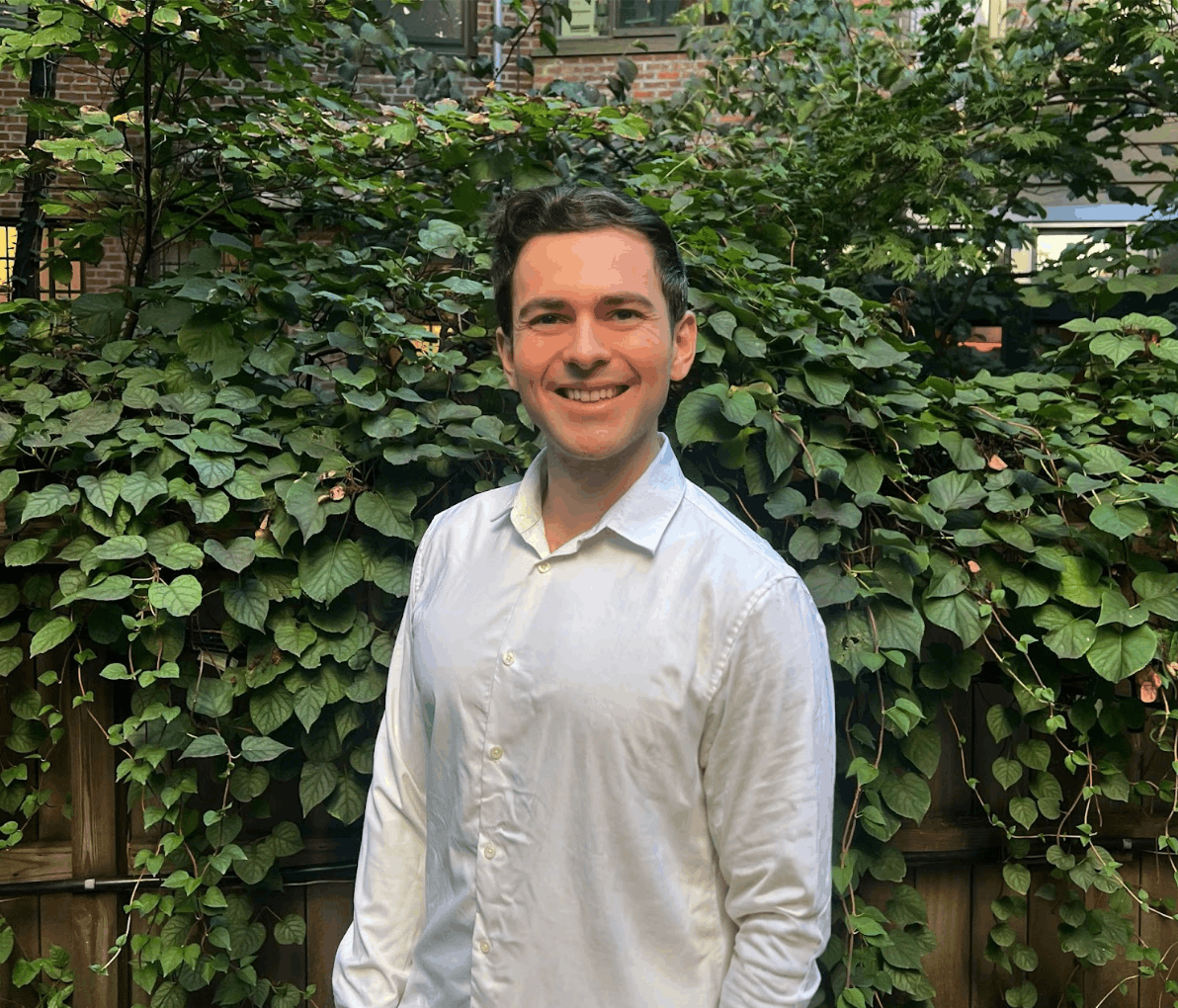
Byline: Andi Stark
For many people facing a legal problem, the most difficult part is not understanding their rights but finding a lawyer willing to speak with them in the first place. Long wait times, unclear pricing, and administrative hurdles often delay even the most basic consultations. YesLawyer, an AI-enabled plaintiff firm operating across all 50 states, is testing whether technology can shorten that gap.
Founded in 2024 by 25-year-old entrepreneur Rob Epstein, the platform offers free intake, automated screening, and, in many cases, same-day conversations with licensed attorneys. The idea is simple: reduce the friction between a client’s first request for help and an actual legal discussion. In this interview, Epstein explains how the system works, where artificial intelligence fits into the process, and what problems the company is trying to address in the broader legal system
Q: When you say you want lawyers to be “as accessible as Wi-Fi,” what does that mean in practical terms?
A: It’s a way of describing speed and availability. Someone dealing with a workplace dispute, a serious injury, or an immigration issue should be able to move from an online form or phone call to a real conversation with counsel in hours, not weeks. YesLawyer is structured so that a client begins with a free case evaluation, goes through automated conflict checks and basic screening, and, in many instances, speaks with a lawyer the same day.
Q: How does the process work once someone contacts the platform?
A: We use a structured workflow. It starts with a short questionnaire and an initial conversation to capture basic facts. That information feeds into conflict checks and internal review. The system then proposes a match with a licensed attorney and provides a calendar link for a virtual consultation, often within 24 hours. After the meeting, the client receives a written legal plan outlining next steps, deadlines, and estimated fees.
Q: Where does artificial intelligence fit into that process, and where does it stop?
A: AI is used for organizing and routing information, not for giving legal advice. It helps with conflict checks at scale, case categorization, and structured summaries so attorneys can focus on the substance of the matter. Every consultation is conducted by a licensed lawyer, and all decisions about strategy or next steps are made by humans.
Q: What problem is this model trying to solve in the current legal system?
A: Delay and cost are still major barriers. Many civil plaintiffs face long waits just to get a first appointment, along with high retainers and hourly billing that make early legal advice risky. We try to respond with faster consultations, flat-fee options, and financing. The idea is to remove administrative friction so lawyers spend less time on logistics and more time speaking with clients.
Q: Some critics say platforms like this blur the line between a technology company and a law firm. How do you describe YesLawyer?
A: We describe ourselves as a national, AI-enabled plaintiff firm that connects clients with independent attorneys. That structure does raise regulatory questions, especially around responsibility and oversight. We focus on licensing verification, attorney-written case plans, and clear communication about fees and services.
Q: You’ve said the main bottleneck is “systems” rather than people. What do you mean by that?
A: The issue isn’t that lawyers don’t want to help more people. It’s that the systems around them make it hard to scale their time. Intake, scheduling, and document handling take hours. Automating those parts means attorneys can handle more matters without being overwhelmed by repetitive tasks.
Q: Does this model risk favoring only the most profitable cases?
A: That’s a real concern in legal technology. Automation often works best for repeatable, high-volume disputes. Our view is that lowering administrative cost can actually make it easier to take on smaller or more complex cases that might otherwise be turned away. Whether that holds over time depends on the data.
Measuring Impact Over Time
YesLawyer’s attempt to compress the timeline between inquiry and consultation reflects broader changes in how legal services are being delivered. As artificial intelligence becomes more common in administrative work, firms are experimenting with new ways to reduce wait times and clarify costs.
The company’s early growth suggests that many clients value faster access to an initial conversation, even before considering long-term representation. Whether this platform-based model becomes widely adopted or remains one of several emerging approaches will depend on regulatory developments, lawyer participation, and measurable outcomes for clients. For now, YesLawyer’s experiment highlights a central question in modern legal practice: how quickly can help realistically be made available to the people who need it.
-

 Tech5 years ago
Effuel Reviews (2021) – Effuel ECO OBD2 Saves Fuel, and Reduce Gas Cost? Effuel Customer Reviews
-
 Tech7 years ago
Bosch Power Tools India Launches ‘Cordless Matlab Bosch’ Campaign to Demonstrate the Power of Cordless
-

 Lifestyle7 years ago
Catholic Cases App brings Church’s Moral Teachings to Androids and iPhones
-

 Lifestyle5 years ago
East Side Hype x Billionaire Boys Club. Hottest New Streetwear Releases in Utah.
-

 Tech7 years ago
Cloud Buyers & Investors to Profit in the Future
-

 Lifestyle6 years ago
The Midas of Cosmetic Dermatology: Dr. Simon Ourian
-

 Health7 years ago
CBDistillery Review: Is it a scam?
-

 Entertainment7 years ago
Avengers Endgame now Available on 123Movies for Download & Streaming for Free